
Embark on a journey with Concrete Patio Contractors for Sloped Yards, where expertise meets creativity to transform challenging landscapes into stunning outdoor living areas. This topic delves into the intricate world of designing and constructing concrete patios on sloped terrains, offering a blend of practical insights and aesthetic considerations.
Exploring the factors, design elements, construction techniques, and material choices involved, this discussion sheds light on the artistry and precision required in such projects.
Factors to Consider
When working on sloped yards, concrete patio contractors must take several factors into consideration to ensure a successful and durable project. The slope of the yard plays a significant role in the design and construction of the concrete patio, impacting both the aesthetics and functionality of the outdoor space.
Proper drainage is crucial in sloped yard projects to prevent water accumulation and potential damage to the patio over time.
Impact of Yard Slope
- The slope of the yard affects the overall layout and design of the concrete patio, influencing the shape and size of the space.
- Contractors need to account for the slope when determining the elevation and levelness of the patio surface to ensure proper water runoff.
- Steep slopes may require additional structural support or retaining walls to stabilize the patio and prevent soil erosion.
Importance of Proper Drainage
- Ensuring adequate drainage is essential in sloped yard projects to prevent water from pooling on the patio surface.
- Contractors may need to install drainage systems, such as French drains or channel drains, to redirect water away from the patio and prevent erosion.
- Poor drainage can lead to water damage, cracking, and deterioration of the concrete patio over time, compromising its longevity and structural integrity.
Design and Planning
When it comes to designing and planning concrete patio projects for sloped yards, contractors need to carefully assess the unique challenges presented by the terrain. By considering the slope of the yard and incorporating specific design elements, contractors can create a functional and visually appealing outdoor space that complements the natural landscape.
Assessing the Slope of the Yard
Before starting the project, concrete patio contractors will assess the slope of the yard to determine the best course of action. This involves measuring the degree of slope and identifying any potential drainage issues that may need to be addressed.
By understanding the topography of the site, contractors can develop a plan that takes advantage of the slope while minimizing any potential problems.
Design Elements for Sloped Yards
Incorporating design elements that are tailored for sloped yards can help create a cohesive and visually stunning concrete patio. For example, using tiered levels or terracing can help to create distinct areas for different activities, such as dining or lounging.
Additionally, incorporating steps or pathways can help to navigate the slope and connect different parts of the patio seamlessly.
Retaining Walls in the Design
Retaining walls are often used in concrete patio projects for sloped yards to help level out the space and prevent erosion. These walls can be both functional and decorative, adding texture and visual interest to the overall design. By strategically placing retaining walls, contractors can create a more stable foundation for the patio and enhance the usability of the outdoor space.
Construction Techniques
When it comes to constructing a concrete patio on a sloped yard, contractors utilize specific techniques to ensure a level and stable finished product. The grading of the slope plays a crucial role in determining the construction process, while reinforcement methods are essential for durability and longevity.
Grading of the Slope
Before starting the construction process, contractors carefully assess the slope of the yard to determine the extent of grading required. The grading helps create a level surface for the patio and ensures proper drainage to prevent water accumulation. Contractors may need to excavate and fill certain areas to achieve the desired slope for the patio.
Reinforcement Methods
Reinforcement is crucial in concrete patio projects for sloped yards to prevent cracking and shifting over time
Material Selection
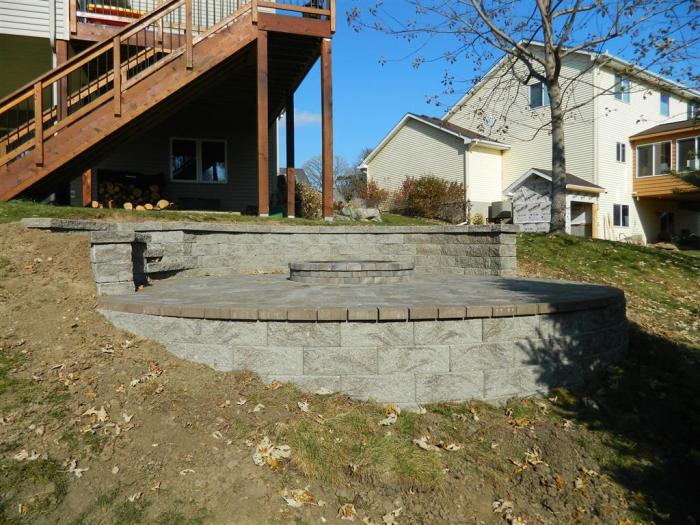
Concrete patios on sloped yards require careful consideration of materials for durability and aesthetics. Selecting the right materials can make a significant difference in the longevity and visual appeal of your patio.
Types of Materials
When constructing concrete patios on sloped yards, it is essential to choose materials that can withstand the challenges posed by the terrain. Some suitable materials include:
- Reinforced Concrete: Offers strength and durability to support the patio on a sloped surface.
- Pervious Concrete: Allows water to drain through, preventing runoff and erosion on sloped yards.
- Stamped Concrete: Provides decorative options with various patterns and textures for a visually appealing finish.
Pros and Cons of Finishes
Selecting the right finish for your concrete patio can impact its appearance and maintenance requirements. Here are the pros and cons of different finishes for sloped yard settings:
- Exposed Aggregate: Offers a textured surface for enhanced traction but may require more maintenance to prevent weed growth.
- Stained Concrete: Provides color options to enhance the patio's aesthetics but may require periodic resealing for durability.
- Broom Finish: Offers a slip-resistant surface suitable for sloped yards but may show wear and tear more visibly.
Color and Texture Choices
Color and texture choices play a vital role in enhancing the aesthetic appeal of a concrete patio on a sloped yard. Consider the following factors when selecting colors and textures:
- Color Coordination: Choose colors that complement your home's exterior or landscape for a cohesive look.
- Texture Variation: Incorporate different textures to create visual interest and prevent a monotonous appearance.
- Sealer Selection: Opt for a sealer that enhances the color and texture of the concrete while providing protection against stains and weathering.
Summary
In conclusion, Concrete Patio Contractors for Sloped Yards showcase the fusion of technical proficiency and artistic vision, culminating in functional and visually appealing outdoor spaces. From meticulous planning to skilled execution, these professionals redefine the possibilities of concrete patio projects on sloped terrains.
Questions Often Asked
How do contractors address drainage issues in sloped yard projects?
Contractors ensure proper grading and installation of drainage systems to prevent water accumulation and erosion on sloped terrains.
What are some common challenges faced during the construction of concrete patios on sloped yards?
Challenges include maintaining structural integrity, addressing soil erosion, and creating a cohesive design that complements the natural slope.
Can retaining walls enhance the functionality and aesthetics of a concrete patio on a sloped yard?
Retaining walls not only provide structural support but also add visual interest and define different levels within the outdoor space.