
Paver Sealing Near Me: Seasonal Timing Tips sets the stage for this enthralling narrative, offering readers a glimpse into a story that is rich in detail with casual formal language style and brimming with originality from the outset.
Discovering the ideal timing for paver sealing can make a significant difference in the longevity and aesthetics of your outdoor space. Understanding the seasonal nuances and factors influencing the process is key to achieving optimal results.
Importance of Paver Sealing
Sealing pavers is a crucial step in maintaining the longevity and appearance of your outdoor surfaces. It offers a range of benefits that can help protect your investment and enhance the overall look of your property.
Protecting Against Wear and Tear
- Sealing pavers creates a protective barrier that helps prevent damage from elements like UV rays, water, oil, and dirt.
- It reduces the risk of cracks, stains, and erosion, prolonging the life of your pavers and saving you money on repairs or replacements.
- By sealing your pavers, you can maintain their structural integrity, ensuring a safe and stable surface for walking, driving, or other activities.
Enhancing Appearance
- Sealing pavers enhances their color and texture, bringing out the natural beauty of the stones or concrete.
- It provides a glossy or matte finish, depending on your preference, giving your outdoor space a polished and well-maintained look.
- Sealed pavers are easier to clean and maintain, as the sealant helps repel dirt, mold, and other contaminants that can dull the surface over time.
Seasonal Timing for Paver Sealing
When it comes to sealing pavers, choosing the right season can make a significant difference in the outcome. The timing of the sealing process can impact the durability and overall appearance of your pavers. Let's explore the best seasons for sealing pavers and understand why certain seasons are optimal for this maintenance task.
Best Seasons for Sealing Pavers
- Spring: Spring is often considered the ideal time to seal pavers. The moderate temperatures and lower humidity levels provide the perfect conditions for the sealer to cure properly.
- Fall: Fall is another great season for sealing pavers. The cooler temperatures and minimal rainfall help the sealer adhere better and dry more effectively.
Effects of Sealing in Different Seasons
- Summer: Sealing pavers in the summer can be challenging due to high temperatures and humidity. The sealer may dry too quickly, leading to an uneven finish or trapping air bubbles.
- Winter: Sealing pavers in winter is not recommended, especially in areas with freezing temperatures. The sealer may not cure properly, resulting in a weak bond and potential damage to the pavers.
Why Certain Seasons are Optimal for Paver Sealing
- Temperature and Humidity: Moderate temperatures and low humidity levels in spring and fall create the perfect environment for the sealer to cure effectively.
- Avoiding Extreme Conditions: Sealing pavers during extreme weather conditions, such as high heat in summer or freezing temperatures in winter, can lead to poor results and potential damage.
Factors Influencing Seasonal Timing
Weather conditions play a crucial role in determining the optimal timing for paver sealing. Factors such as temperature and humidity can significantly impact the effectiveness of the sealing process. It is essential to understand how these variables influence the outcome and adjust the sealing schedule accordingly.
Impact of Weather Conditions
Weather conditions, particularly temperature and humidity, have a direct impact on the paver sealing process. Extreme heat or cold can affect the curing time of the sealant, leading to improper bonding and potential damage to the pavers. High humidity levels can also interfere with the drying process, resulting in a sticky or tacky finish.
It is crucial to choose a time when the weather is moderate, with temperatures between 50-80 degrees Fahrenheit and humidity levels below 60%. This will ensure optimal conditions for the sealant to cure properly and provide long-lasting protection to your pavers.
Adapting Sealing Schedule
Depending on the season, it may be necessary to adjust the sealing schedule to account for variations in weather conditions. For example, sealing in the spring or fall when temperatures are milder can help achieve better results compared to sealing in the peak of summer or winter.
It is also important to monitor the weather forecast closely and avoid sealing during rainy or extremely humid days. Planning ahead and scheduling the sealing project during a period of stable weather can help ensure the best possible outcome for your pavers.
Preparing for Paver Sealing
Before sealing your pavers, it is crucial to properly prepare them to ensure the best results and longevity of the sealing. This process involves cleaning, repairing, and assessing the condition of the pavers.
Cleaning Pavers
- Start by removing any debris, dirt, or weeds from the surface of the pavers using a broom or leaf blower.
- For more stubborn stains, consider using a pressure washer or a paver cleaner to deep clean the surface.
- Allow the pavers to completely dry before proceeding to the next step.
Repairing Pavers
- Inspect the pavers for any cracks, chips, or loose pieces that need to be repaired before sealing.
- Fill in any cracks or gaps with a suitable paver repair material and allow it to cure completely.
- Replace any damaged pavers to ensure a uniform surface for sealing.
Assessing Paver Condition
- Check the overall condition of the pavers to determine if they are in good shape for sealing.
- Look for signs of wear and tear, fading, or discoloration that may affect the sealing process.
- Ensure that the pavers are structurally sound and free of any major issues that could impact the sealing results.
DIY vs. Professional Sealing
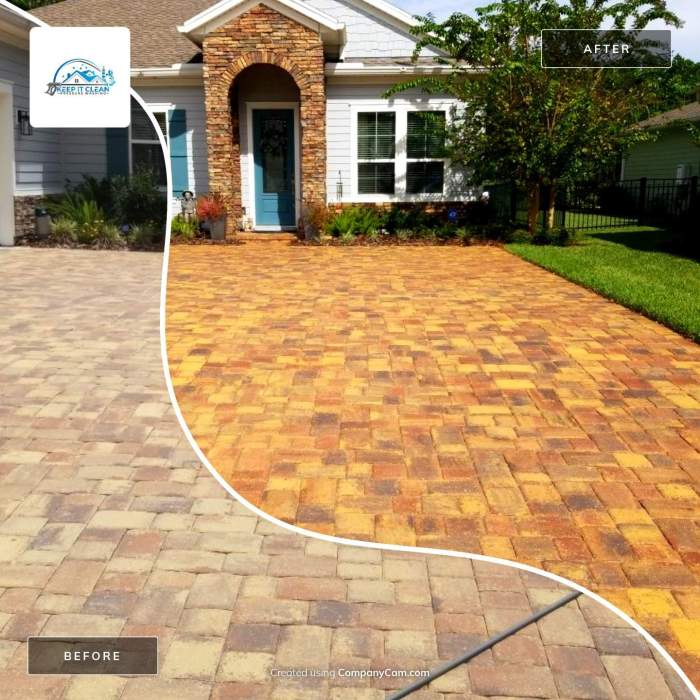
When it comes to sealing your pavers, you may be wondering whether to tackle the job yourself or hire professionals. Both options have their own set of benefits and cost implications, so let's explore the differences to help you make an informed decision.
Benefits of DIY Sealing
- Cost-effective option as you won't have to pay for professional services.
- Flexibility to choose the products and equipment you prefer.
- You can work at your own pace and schedule.
Benefits of Professional Sealing
- Expertise and experience ensure a high-quality finish.
- Time-saving as professionals work efficiently and effectively.
- Access to specialized equipment and materials for better results.
Cost Implications
Whether you choose DIY or professional sealing, the cost implications can vary significantly. While DIY may seem cheaper initially, considering the cost of materials, equipment, and your time, the overall expense might be comparable to hiring professionals. On the other hand, professional services come at a higher upfront cost but guarantee a professional finish without the hassle of doing it yourself.
When to DIY vs. When to Hire Professionals
When it's suitable to DIY seal pavers:
- If you have experience with similar projects and feel confident in your abilities.
- For small areas that require minimal maintenance.
- If you enjoy hands-on DIY projects and have the time to dedicate to the task.
When professional help is recommended:
- For large areas or extensive paver installations that require specialized care.
- If you lack the time, knowledge, or expertise to achieve the desired results on your own.
- When you want a professional finish that enhances the overall look and longevity of your pavers.
Epilogue
![Paver Sealing - How To Seal Pavers [Expert Tips] | Unilock](https://exterior.kuninganmass.com/wp-content/uploads/2025/12/Blog-Sealing_8535.jpg "Paver Sealing - How To Seal Pavers [Expert Tips] | Unilock")
As we conclude our discussion on Paver Sealing Near Me: Seasonal Timing Tips, remember that timely sealing not only protects your pavers but also enhances their beauty. By considering the seasonal variations and preparing adequately, you can ensure a successful sealing process that keeps your outdoor area looking pristine.
FAQs
What are the benefits of sealing pavers?
Sealing pavers helps protect them against stains, color fading, and weed growth, while also enhancing their durability.
When is the best time to seal pavers?
Typically, the spring or fall seasons are optimal for paver sealing as they offer moderate temperatures and lower humidity levels.
Is DIY sealing pavers cost-effective?
DIY sealing can be cost-effective for small areas, but for larger spaces or intricate designs, professional services might deliver better results.
How do weather conditions affect paver sealing?
Extreme temperatures or precipitation can interfere with the sealing process, making it crucial to choose the right weather conditions for sealing.