
Embark on a journey into the world of QuickBooks Property Management Automation Features, where efficiency meets convenience. This article delves into the seamless integration of automation in property management tasks, highlighting how QuickBooks simplifies processes and boosts productivity.
As we explore the various automation features, benefits, customization options, and integrations with third-party tools, you'll gain a comprehensive understanding of how QuickBooks revolutionizes property management.
QuickBooks Property Management Automation Features
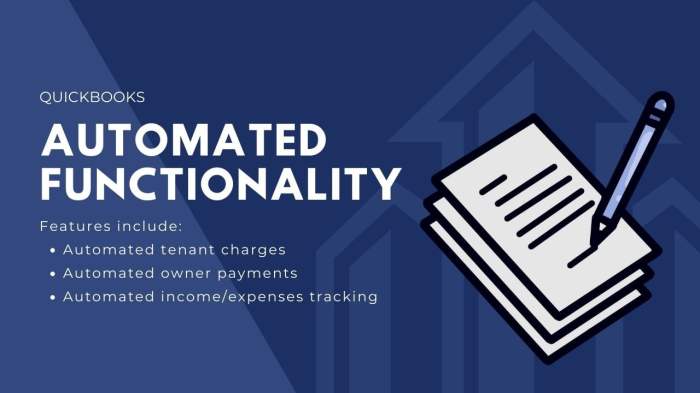
Automation in property management involves using technology to streamline and simplify tasks related to managing properties, tenants, finances, and maintenance.
QuickBooks integrates automation features specifically designed to help property managers save time, reduce human error, and improve overall efficiency in their operations.
Specific Automation Features Offered by QuickBooks:
- Automatic Rent Payments: QuickBooks allows tenants to set up automatic rent payments, reducing the need for manual tracking and reminders.
- Expense Tracking: The software automatically categorizes and tracks expenses related to property management, making it easier to generate financial reports.
- Rent Reminders: QuickBooks can send automatic rent reminders to tenants, reducing the risk of late payments and improving cash flow.
- Lease Management: The platform can automate lease renewals, notifications, and changes, ensuring that property managers stay on top of important deadlines.
- Maintenance Requests: QuickBooks can streamline the process of receiving, assigning, and tracking maintenance requests from tenants, improving response times and tenant satisfaction.
Benefits of Using QuickBooks Automation in Property Management
Automation features in QuickBooks offer numerous benefits for property management businesses, streamlining processes, improving accuracy, and saving time and resources. By leveraging these automation tools, property managers can enhance efficiency and productivity in various aspects of their operations.
Efficiency Gains through Automation
- Automating rent collection, invoicing, and payment tracking reduces manual data entry, minimizes errors, and speeds up financial processes.
- Automated reporting features provide real-time insights into property performance, financial health, and tenant history, enabling informed decision-making.
- Integration with bank accounts and online payment platforms simplifies transaction reconciliation and improves cash flow management.
- Automated reminders and notifications help property managers stay on top of important deadlines, lease renewals, maintenance schedules, and other critical tasks.
Comparison of Manual vs. Automated Tasks
- Manual property management tasks are time-consuming, prone to errors, and require significant administrative effort, whereas automation streamlines workflows and reduces manual intervention.
- Tasks like tenant screening, lease management, and maintenance requests can be efficiently handled through automated workflows, enhancing tenant satisfaction and retention.
- Automated communication tools enable seamless interactions with tenants, vendors, and stakeholders, improving customer service and operational efficiency.
Success Stories and Case Studies
ABC Property Management Company implemented QuickBooks automation features and saw a 30% reduction in administrative costs within the first year, while improving tenant satisfaction and lease renewal rates.
XYZ Real Estate Agency automated their financial reporting processes using QuickBooks, resulting in 50% faster access to key performance metrics and better financial decision-making.
Customization Options in QuickBooks Property Management Automation
When it comes to managing properties efficiently, customization plays a crucial role in tailoring automation features to meet specific needs. QuickBooks offers a range of customization options that allow property managers to streamline their processes and optimize their workflow.
Level of Customization in QuickBooks
QuickBooks provides a high level of customization for property management automation, allowing users to configure settings, reports, and workflows to align with their unique requirements. From setting up custom fields to creating personalized templates, QuickBooks enables users to tailor the platform to suit their specific property management needs.
- Custom Fields: Property managers can create custom fields within QuickBooks to capture specific data points that are relevant to their properties. This customization ensures that all necessary information is accurately recorded and easily accessible.
- Reports Customization: QuickBooks allows users to customize reports to display key metrics and performance indicators relevant to their property management activities. By tailoring reports to focus on specific areas of interest, property managers can gain valuable insights into their operations.
- Workflow Configuration: Property managers can configure workflows within QuickBooks to automate repetitive tasks and streamline processes. By setting up automated reminders, notifications, and approvals, users can ensure that essential tasks are completed efficiently.
By leveraging the customization options available in QuickBooks, property managers can create a tailored solution that meets their unique needs and enhances their property management efficiency.
Tips for Maximizing Customization Options
To make the most of the customization options in QuickBooks for property management automation, consider the following tips:
- Identify Key Requirements: Begin by identifying the specific requirements and objectives of your property management operations. This will help you determine which customization options will be most beneficial.
- Consult with Experts: If you're unsure about how to best customize QuickBooks for your property management needs, consider consulting with experts or attending training sessions to learn more about the platform's capabilities.
- Regularly Review and Adjust: Regularly review your customization settings in QuickBooks to ensure they continue to align with your evolving property management needs. Make adjustments as necessary to optimize your workflow.
Integrations with Third-Party Tools for Property Management
When it comes to property management, efficiency is key. Integrating QuickBooks automation with third-party tools can streamline processes, improve accuracy, and ultimately save time and resources. Let's explore how QuickBooks integrates with other tools commonly used in property management and the benefits of such integrations.
Benefits of Integrating QuickBooks Automation with Third-Party Property Management Software
Integrating QuickBooks automation with third-party property management software offers numerous benefits. It allows for seamless data flow between different systems, reducing the need for manual data entry and minimizing errors. This integration also provides a more comprehensive view of financial data related to property management, enabling better decision-making and financial planning.
Additionally, combining QuickBooks with specialized property management software enhances the overall efficiency of property management operations.
Examples of Popular Third-Party Tools that Complement QuickBooks Automation for Property Management Tasks
- AppFolio: AppFolio is a cloud-based property management software that integrates seamlessly with QuickBooks. It offers features such as online rent payments, maintenance requests tracking, and tenant screening.
- Buildium: Buildium is another popular property management software that can be integrated with QuickBooks. It provides tools for lease tracking, accounting, and property maintenance management.
- Propertyware: Propertyware is a comprehensive property management solution that works well with QuickBooks. It includes features like tenant portals, maintenance tracking, and financial reporting.
Concluding Remarks
In conclusion, QuickBooks Property Management Automation Features offer a cutting-edge solution for streamlining property tasks, saving time, and improving accuracy. By harnessing the power of automation, property managers can elevate their efficiency and focus on strategic growth.
Essential FAQs
How does automation benefit property management tasks?
Automation streamlines repetitive tasks, reduces errors, and increases efficiency in managing properties.
Can QuickBooks be customized for specific property management needs?
Yes, QuickBooks offers a high level of customization to tailor automation features to unique property management requirements.
Which third-party tools integrate well with QuickBooks for property management?
Popular third-party tools like AppFolio and Buildium complement QuickBooks automation for property management tasks.